Preparing for the diving assignments of the future
ROVs, cameras and advanced monitoring systems have transformed underwater work. But when something actually needs repairing at a fish farm, there is still much that technology cannot do alone.
In brief
ROVs and new technology have changed underwater work, but divers remain indispensable when critical repairs are needed at fish farms. At Abyss, 32 divers, four diving support vessels and a comprehensive safety regime help ensure that assignments are carried out safely and efficiently along the coast.
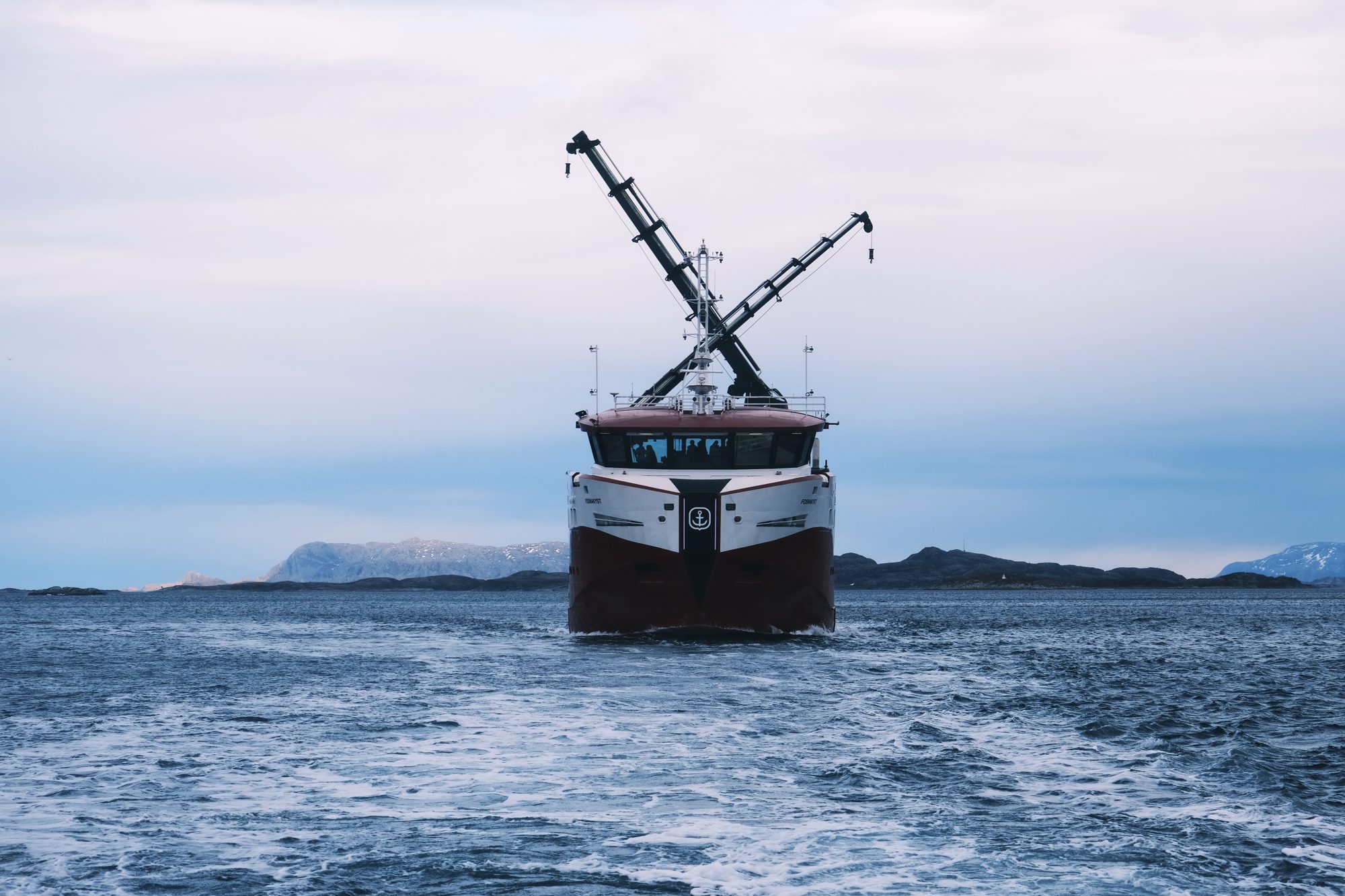
With 32 divers, four diving support vessels and the new Fosna Neptune, Abyss is preparing for a service it believes will remain important to the future of aquaculture.
Even in an industry where technology can monitor, inspect and carry out ever more tasks, there are still jobs for which a person is the best tool.
– Automated ROVs can do a great deal, but they still lack some of the fine motor skills needed for a complex underwater repair. That is where we remain indispensable! says Head of Operations Sindre Gammelsæter.
Planning together
Gammelsæter leads the diving department at Abyss. That means responsibility for people, vessels, finances, safety and the customers who need help underwater.
– I run the diving department, with responsibility for the vessels and divers. I need to ensure that they work safely, that the work is profitable and that the customer is satisfied.
The diving support vessels operate mainly in Central Norway and northwards towards Sandnessjøen and Finnmark. Assignments vary, but inspections, maintenance and repairs at fish farms are an important part of everyday work.
Some tasks are routine work that the teams handle without close involvement from the Head of Operations. Other assignments require much more planning.
That work often takes place together with the customer.
– We often plan together with our customers and have close relationships. We are in contact daily, and it soon adds up to many hours spent together.
Gammelsæter has brought those relationships with him from his own years working on vessels.
– I got to know many of the people who call us when I was working on vessels myself. You become partners, in a way. You want to do a good job, and we can take both criticism and praise. We aim to provide the best possible cooperation.
A great deal can be at stake.
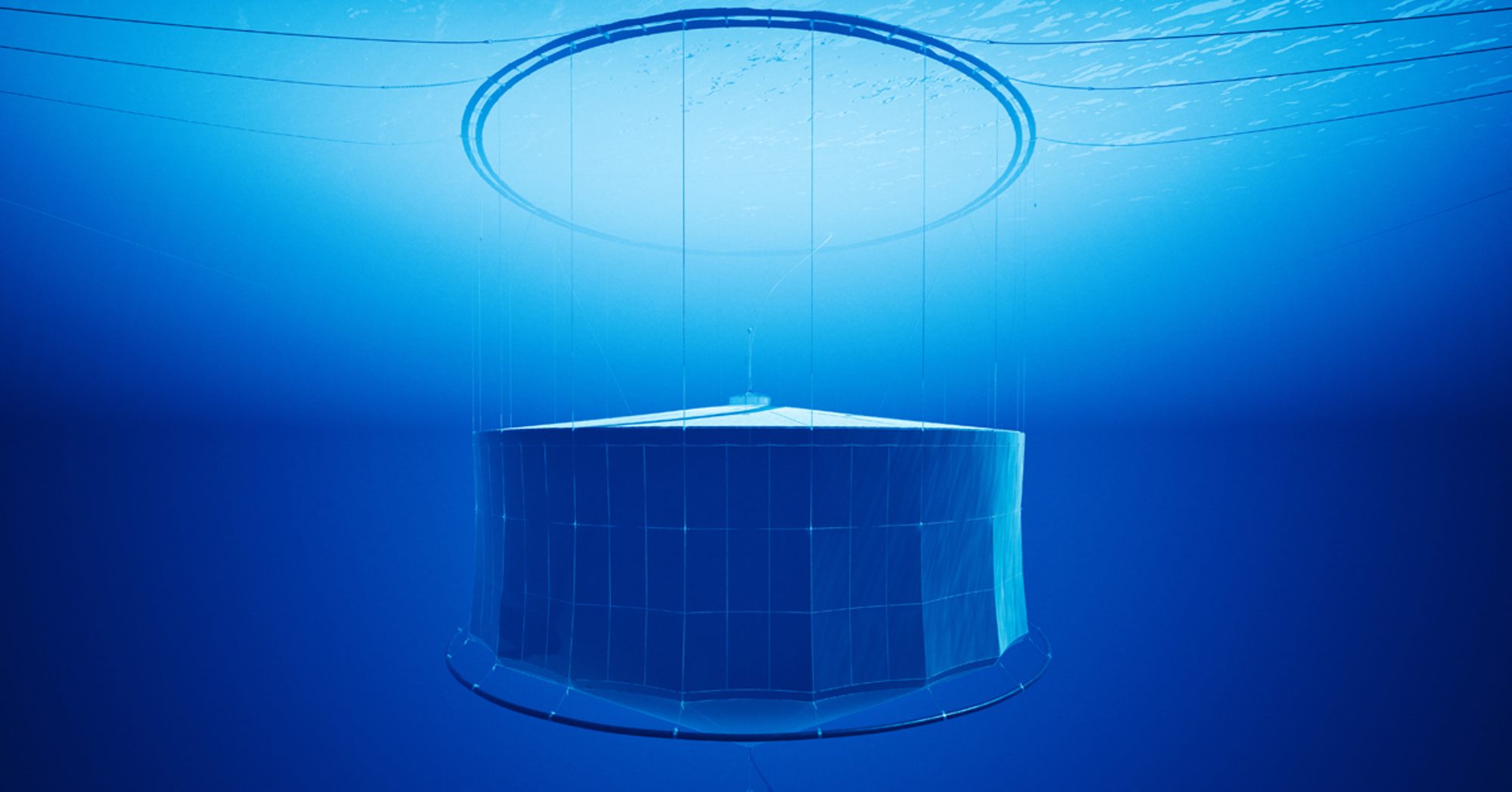
Damage to a farm must be detected, assessed and repaired. If a fault is not dealt with properly, the worst-case outcome is fish escaping, with major consequences for both the farmer and the surrounding environment.
It is important to be in the right place with the right vessel and crew when the customer needs help.
One of the most tightly regulated professions
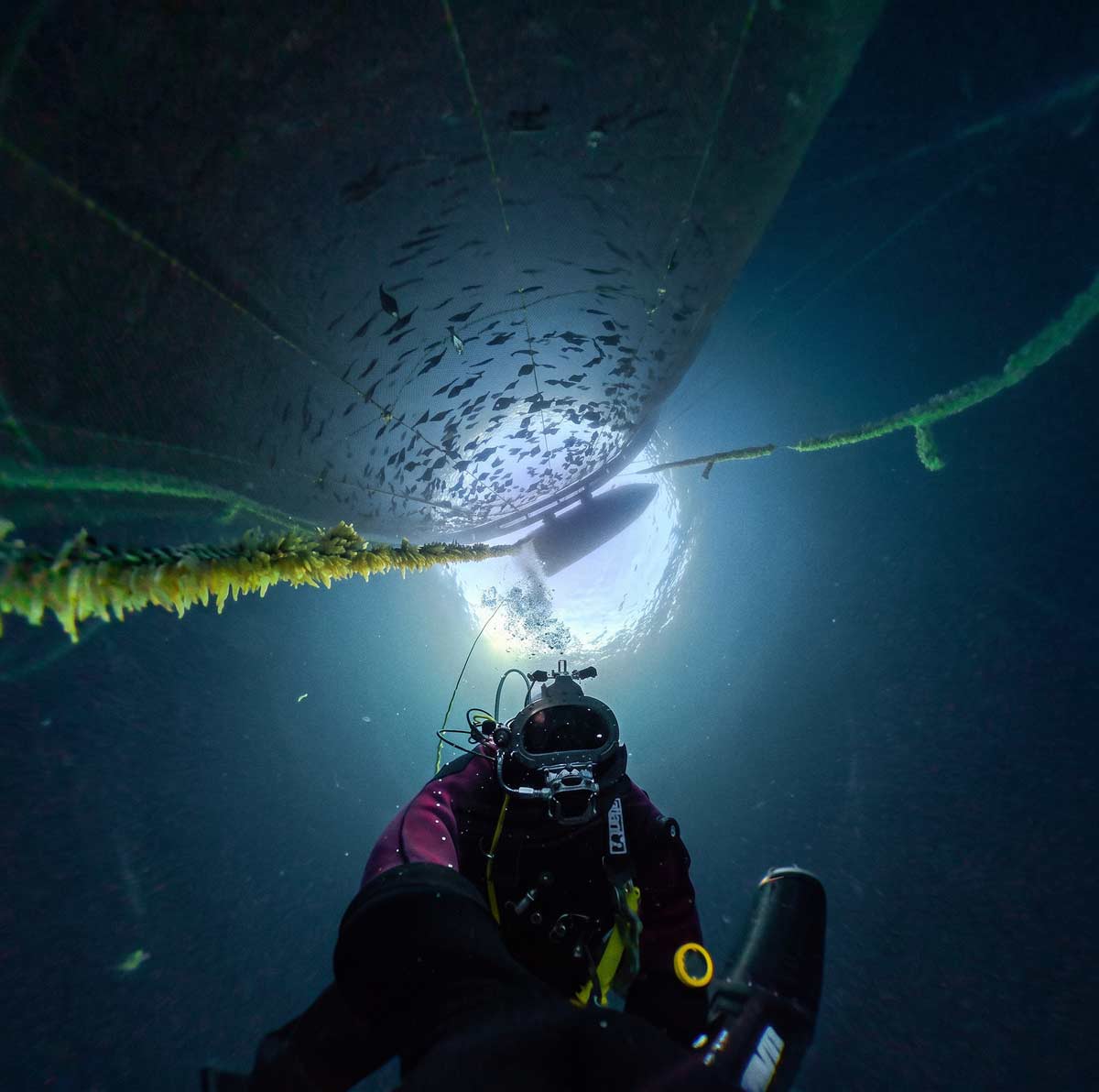
Underwater, the workplace changes character.
Visibility, currents, waves, temperature and depth all affect the operation. At the same time, the diver must carry out physical work, handle tools and complete tasks that often require great precision.
- Diving services are therefore strictly regulated, and Abyss also has its own requirements and procedures that go beyond the minimum requirements in several areas, says Gammelsæter.
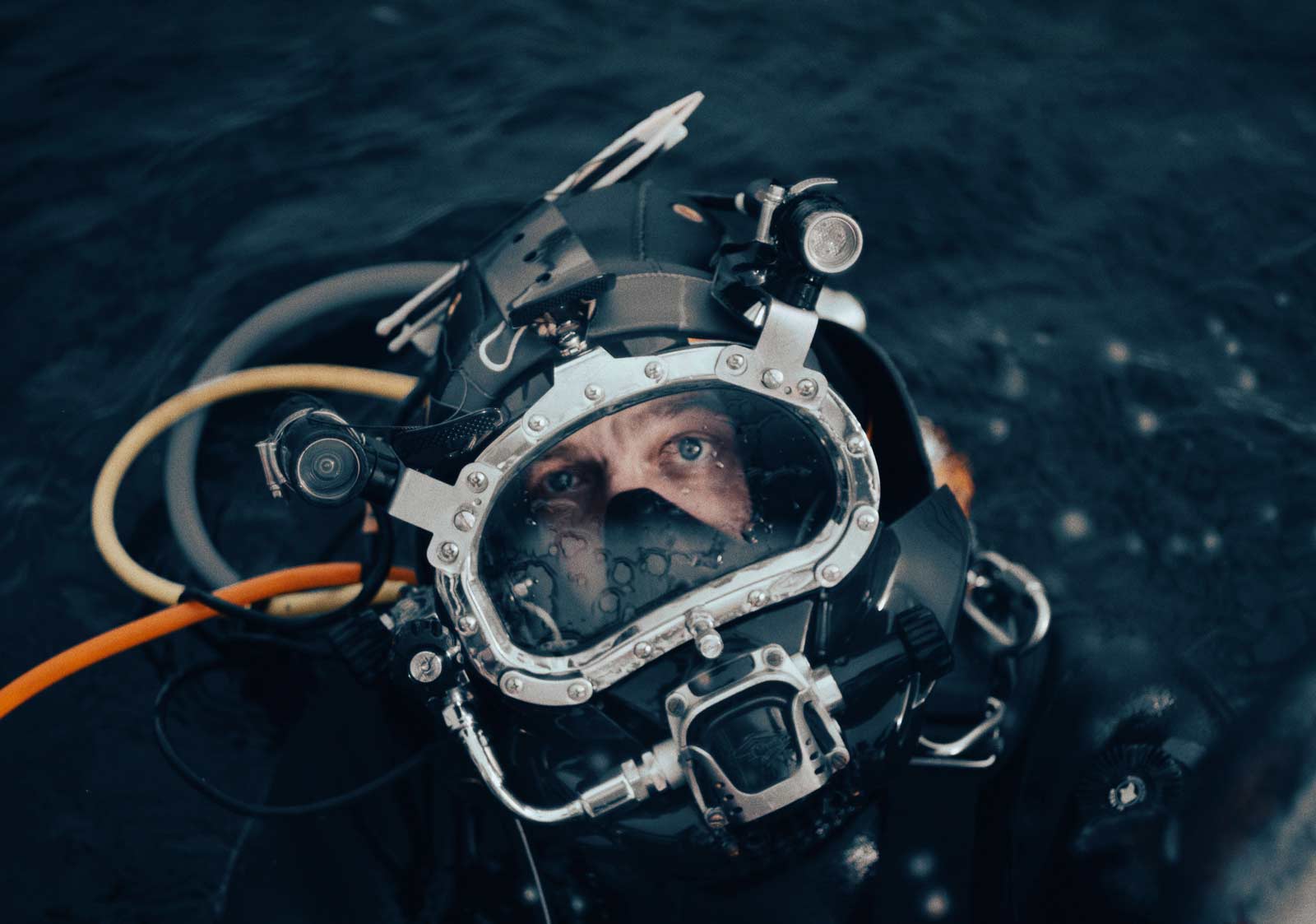
Before anyone enters the water, a range of checks must be completed. The air supply, suit, helmet, communications equipment and other systems must be in place and working. At the surface, a standby diver is fully dressed and ready to enter the water if a colleague needs help.
Nor does the diver disappear from view as soon as their head goes underwater.
The diver receives air and communications through the umbilical. Cameras, sound and instruments allow the diving supervisor to follow the operation from the surface in real time. Depth, water temperature and movements through the water column are recorded, while communications make it possible to monitor the diver’s condition.
– We monitor the instruments, depth and water temperature. You can also hear if the diver is becoming strained or having difficulty breathing. We have integrated audio and video and a monitoring programme that tracks everything in real time.
The dive profile is displayed graphically, and the operation follows strict protocols and tables.
Safety before something goes wrong
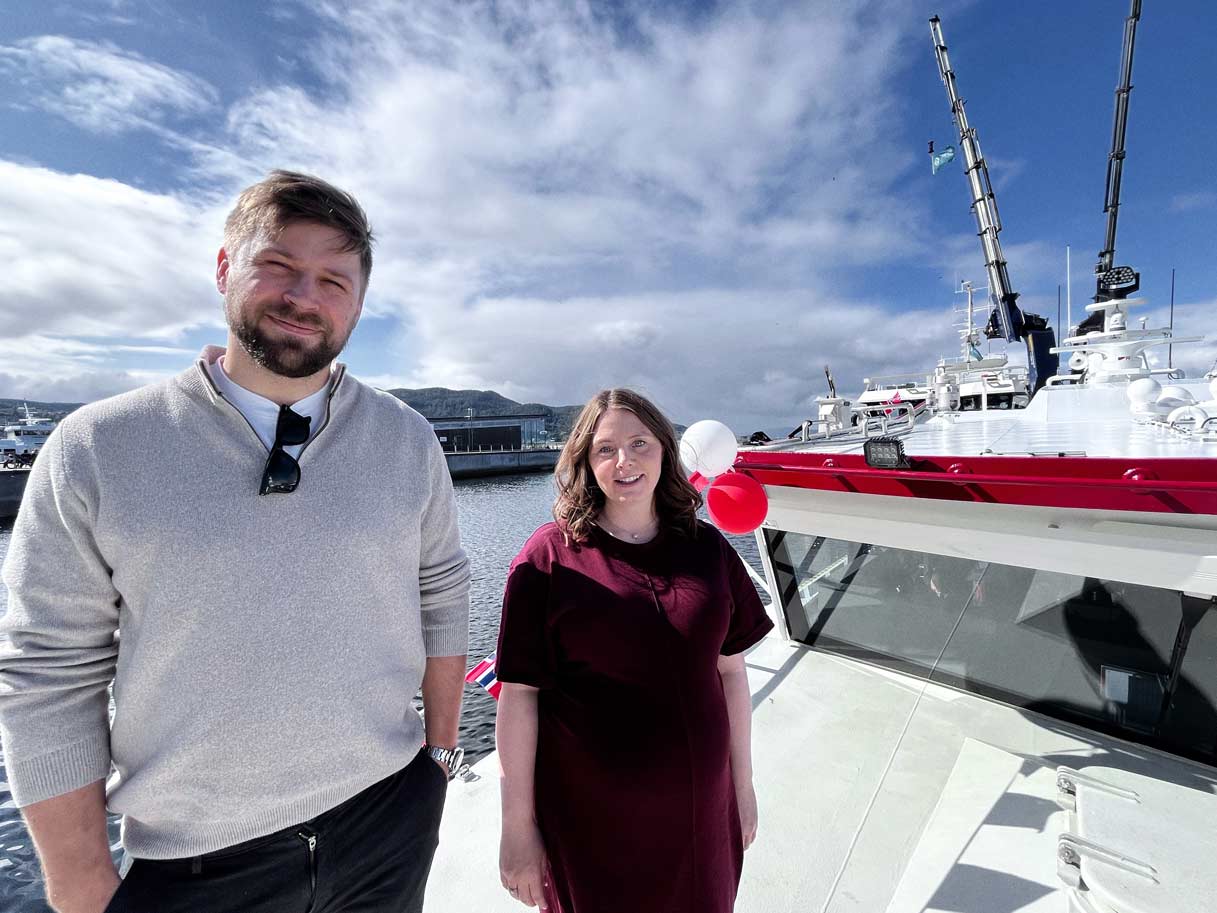
The systematic work surrounding operations is a major part of Maja Bremvåg’s day. She joined Abyss as HSEQ Manager in January, having previously worked closely with diving services as a quality coordinator in the Frøy organisation.
Bremvåg follows up processes, the most significant risks and non-conformities, responds to the authorities and helps ensure that Abyss meets internal requirements, customer requirements and regulatory requirements.
But she also knows the work from the other side. She has joined teams in the field and has herself been underwater at a depth of ten metres. Above all, the experience gave her one thing:
– I have great respect for what they do.
For Bremvåg, good HSE work is about more than counting accidents. It is just as important to identify conditions that could lead to an accident.
Abyss therefore works actively with safety observations. These may concern a working method that needs changing, equipment that could be improved, or something an employee notices in their own behaviour or that of others.
It is not necessarily a non-conformity yet. That is precisely the point.
– We focus on safety observations. It is about recording conditions that are not directly non-conformities but could become so if they are not addressed.
A high proportion of these observations need not be a warning sign. On the contrary, it may show that the organisation has become better at recognising risk before it develops into an incident.
– Creating a safety culture often means recording a high proportion of safety observations but fewer accidents. It is about taking steps to prevent complacency. People make mistakes. We have to keep ourselves in check, says Bremvåg.
The company is proud of the results.
– We have very few diving injuries and accidents, says Gammelsæter.
People remain indispensable
Abyss’ commercial divers are authorised to operate at depths of up to 50 metres, although assignments at such depths are rare. The technology supporting them is constantly improving.
ROVs can inspect areas that previously required divers. Cameras provide a better overview. Sensors deliver more information. And new tools will undoubtedly move more tasks from people to machines.
This has led some to predict that commercial divers will eventually disappear.
Gammelsæter does not believe that.
Not yet.
– Some have stated firmly that divers will be phased out, but we can see that this has not yet proved possible.
Seeing is one thing.
Understanding the problem, picking up a tool and carrying out a complex repair several metres below the surface is another.
– Automated ROVs can do a great deal, but they still lack some of the fine motor skills needed for a complex underwater repair. That is where we remain indispensable!